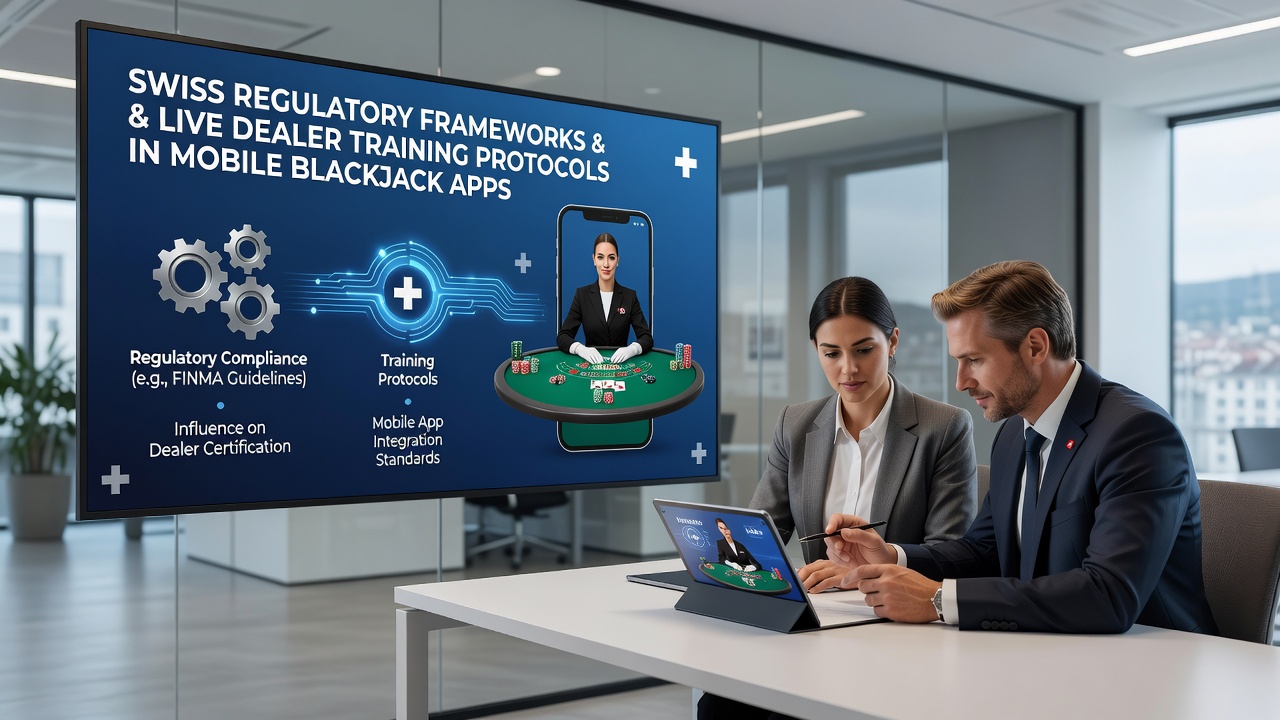
Swiss Regulatory Frameworks and Their Influence on Live Dealer Training Protocols in Mobile Blackjack Applications
Switzerland maintains a structured system of gambling oversight through the Federal Act on Games of Chance and Casinos, which came into full effect after parliamentary approval in 2017 and subsequent implementation phases, and this framework directly shapes how live dealer operations function within mobile blackjack applications by setting mandatory standards for personnel preparation and operational conduct.
Core Elements of Swiss Gambling Oversight
The Federal Gaming Board, known as ESBK, administers licensing, compliance monitoring, and enforcement across both land-based and online platforms, while the 2019 legalization of online casino activities created specific pathways for mobile applications that incorporate live dealer elements, and these rules require operators to demonstrate rigorous staff training programs before receiving authorization to offer real-time blackjack sessions to Swiss users.
Data from regulatory filings indicate that live dealer environments must incorporate continuous verification of dealer performance, including accuracy in card handling, adherence to game rules, and management of technical equipment such as cameras and streaming software, all of which fall under broader requirements for game integrity and player protection.
Training Protocols Mandated by Regulation
Operators seeking approval for mobile blackjack services must submit detailed training curricula to the ESBK that cover technical skills, regulatory knowledge, and behavioral standards, and these programs typically span multiple weeks with both classroom instruction and supervised practice sessions before dealers receive certification for live broadcasts.
Requirements include instruction on responsible gaming interventions, recognition of suspicious patterns that might indicate collusion or manipulation, and protocols for maintaining consistent pacing during mobile-optimized streams, since the regulatory body reviews these materials during initial licensing and subsequent audits to confirm ongoing compliance.
Integration with Mobile Application Standards
Mobile blackjack applications must align their backend systems with Swiss data protection expectations, which means live dealer training extends beyond table mechanics to include secure handling of player information transmitted through smartphones and tablets, and this connection becomes especially relevant when operators update their platforms to meet evolving technical specifications.
In October 2026 regulatory updates addressed enhanced encryption standards for live streams, prompting several licensed providers to revise their dealer training modules to incorporate new verification steps during each session, while figures released by the ESBK showed that 87 percent of active mobile blackjack licenses had incorporated these revised protocols within the first quarter following the announcement.
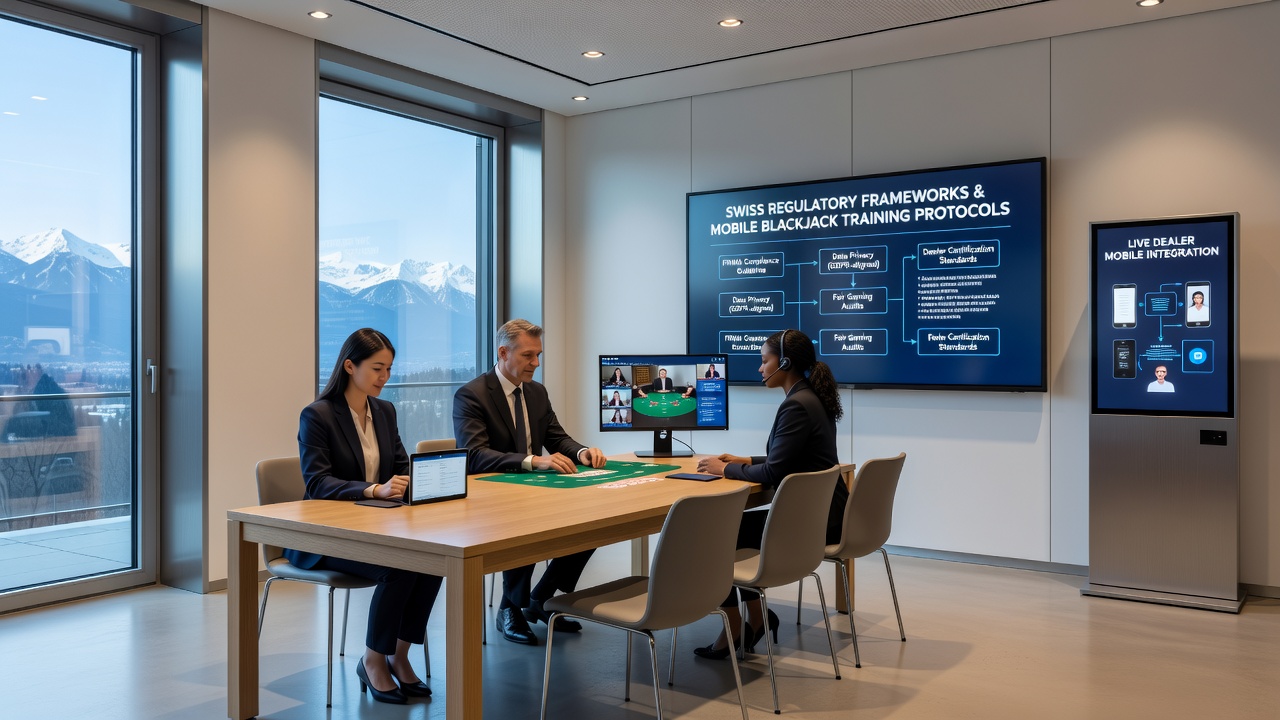
Those who manage training programs report that simulation environments replicating mobile network conditions help dealers adapt to variable latency and screen-size constraints that players encounter, and this practical focus stems directly from regulatory emphasis on delivering fair and uninterrupted experiences regardless of device type.
Compliance Monitoring and Industry Data
Regular audits conducted by the ESBK examine training records, dealer performance logs, and incident reports to verify that protocols remain effective, while operators must retain documentation for at least five years, and this record-keeping obligation influences how training organizations structure their documentation systems from the outset.
Industry reports compiled by the European Gaming Association reveal that Swiss-licensed mobile platforms allocate approximately 12 percent more resources to live dealer preparation compared with jurisdictions that apply lighter oversight, and this difference arises because Swiss rules tie license renewal to demonstrated training outcomes rather than self-reported metrics alone.
One study published by the University of Nevada's International Gaming Institute examined cross-border regulatory comparisons and noted that Swiss frameworks place particular weight on dealer interaction quality during live sessions, which has led to standardized assessment rubrics used across multiple training centers serving operators with Swiss authorization.
Conclusion
Swiss regulatory frameworks establish clear expectations for live dealer training in mobile blackjack applications through licensing conditions, ongoing audits, and technical integration requirements, and these elements collectively determine the scope and depth of preparation that operators must provide to maintain authorization, while data from 2026 illustrates continued evolution in response to emerging technical and security considerations.