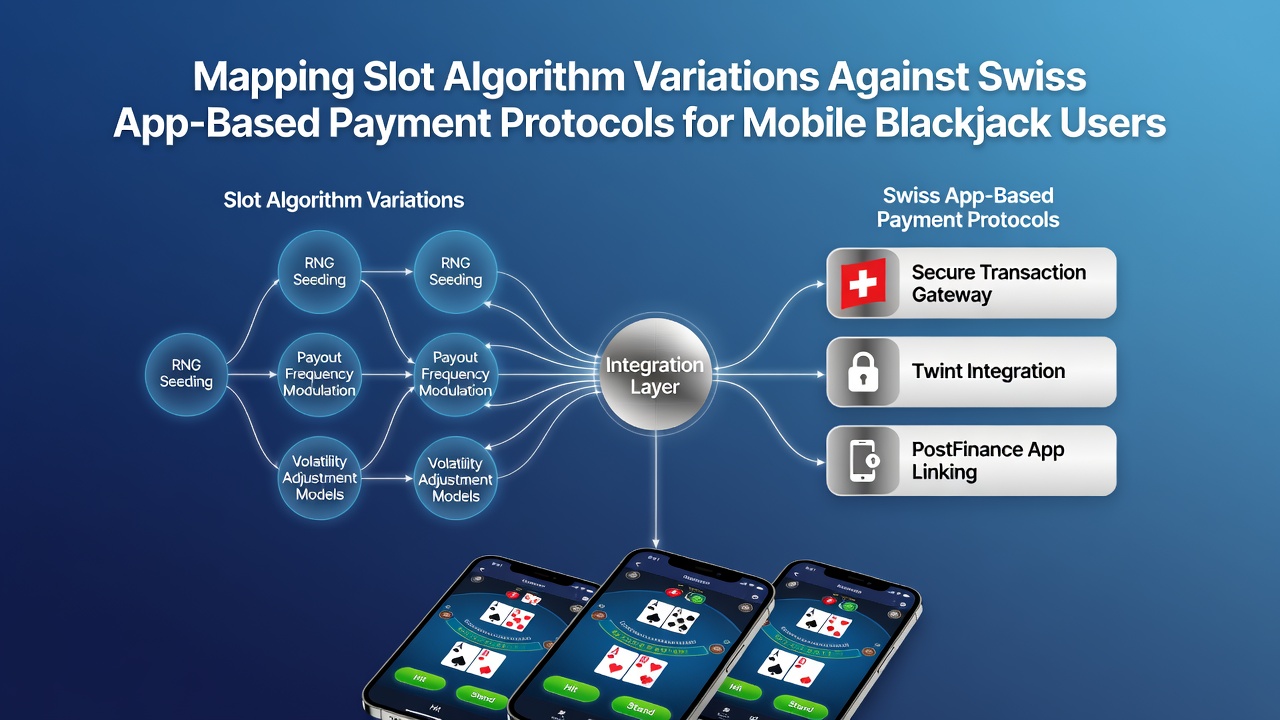
Mapping Slot Algorithm Variations Against Swiss App-Based Payment Protocols for Mobile Blackjack Users
Slot algorithms operate through pseudorandom number generators that determine outcome sequences in digital games, whereas Swiss app-based payment protocols manage encrypted transaction routing between user accounts and licensed operators. Researchers at technical institutes have documented how these two systems intersect when players access mobile blackjack applications within Switzerland's regulated market. Data from industry reports indicates that variations in slot RNG implementations can influence how payment verification layers process micro-transactions during gameplay sessions that switch between slot and blackjack modes.
Core Components of Slot Algorithm Structures
Modern slot algorithms incorporate multiple RNG layers including base game cycles, bonus trigger mechanisms, and progressive jackpot calculations, while Swiss payment protocols rely on standardized encryption standards such as AES-256 combined with real-time authorization checks through national banking networks. Observers note that these algorithm layers must synchronize with payment gateways to prevent discrepancies during fund transfers initiated inside the same mobile session. Studies conducted by European gaming technology centers reveal that certain RNG seed variations create distinct transaction timing patterns that payment systems must accommodate without triggering security flags.
Swiss App-Based Payment Protocols in Context
App-based payment systems in Switzerland integrate directly with platforms such as Twint and direct bank transfers governed by federal financial oversight rules, and these protocols enforce strict authentication steps before releasing funds for continued play. Experts tracking mobile gambling infrastructure have mapped how blackjack applications embed these protocols to handle both deposits and withdrawals while maintaining compliance with licensing conditions. Figures released in October 2026 from regulatory monitoring bodies show increased adoption of multi-factor verification in payment flows, which affects how slot algorithm outputs interface with transaction ledgers.
Payment protocols also incorporate dynamic risk scoring that evaluates user behavior across game types, so slot algorithm variations that produce rapid spin sequences may trigger additional checks when users transition into blackjack tables on the same application. This integration requires precise mapping to ensure seamless operation without interrupting the user experience.
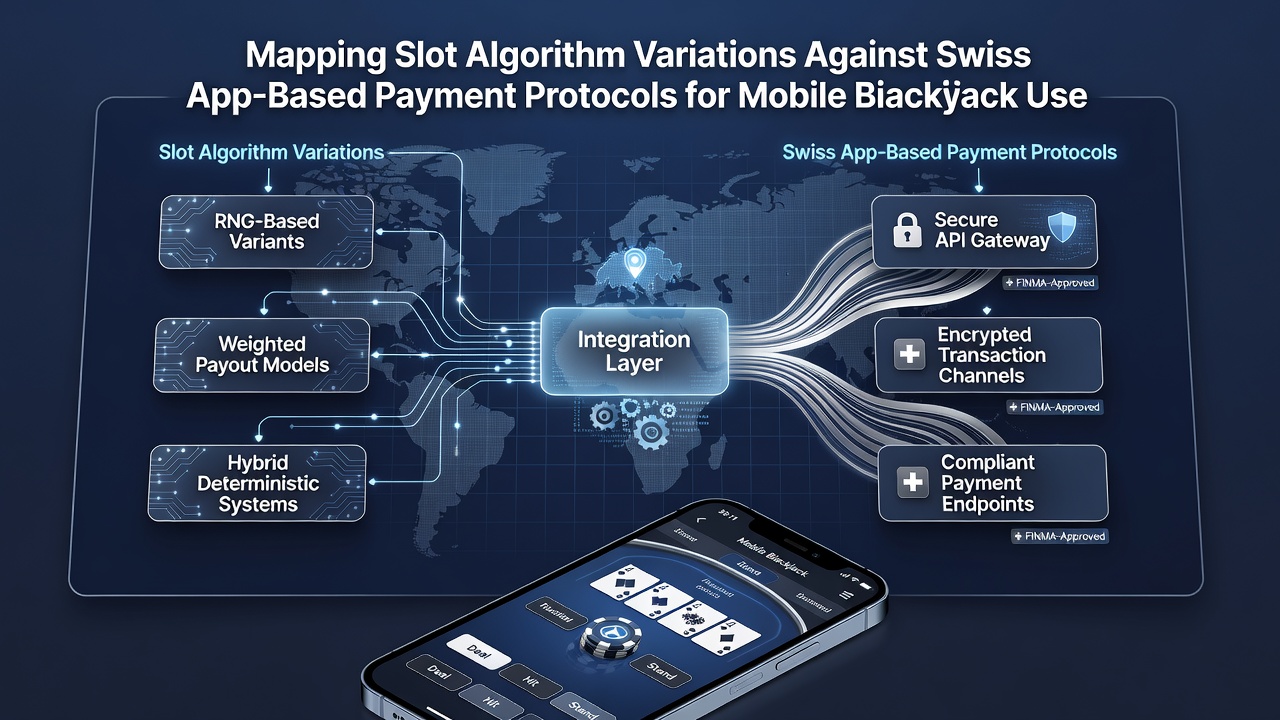
Comparative Mapping Techniques
Analysts apply comparative mapping by aligning RNG output distributions from slot modules against authorization timestamps generated by payment protocols, and this process identifies potential friction points in mobile blackjack environments. One documented approach involves logging algorithm cycle lengths alongside payment confirmation intervals to detect latency introduced during cross-game navigation. Research indicates that Swiss operators have refined these mappings to accommodate regulatory reporting requirements while supporting the technical demands of real-money blackjack play on smartphones and tablets.
Additional mapping examines how progressive elements within slot algorithms interact with cumulative payment ledgers, since both systems update shared user balance records. Those who have examined implementation logs observe that minor adjustments in RNG variance can shift the frequency of payment protocol callbacks without altering overall transaction security.
Regulatory and Technical Alignment
Swiss federal regulations require that gambling applications maintain transparent separation between game logic and financial processing modules, which encourages developers to create clear mapping documentation for slot algorithms versus payment protocols. Reports from the Swiss Federal Office of Justice detail how licensing audits now include reviews of these technical alignments to verify ongoing compliance. In October 2026 monitoring updates highlighted several operators that had updated their mapping frameworks to reflect new encryption standards rolled out across national payment networks.
Technical alignment also extends to data handling practices, where algorithm-generated game results and payment metadata must remain segregated yet accessible for dispute resolution processes. Industry organizations such as the Australian Gambling Research Centre have published comparative studies showing similar mapping challenges in other regulated jurisdictions, providing benchmarks that Swiss developers reference during application updates.
Implementation Patterns in Mobile Blackjack Applications
Mobile blackjack applications in Switzerland frequently embed slot algorithm modules as secondary features, which means payment protocols must handle transactions originating from either game type without creating separate authorization pathways. Observers tracking app performance metrics report that unified payment layers reduce processing overhead while preserving the distinct operational characteristics of each algorithm set. Case examples from licensed operators demonstrate that detailed mapping documentation helps resolve edge cases where rapid slot play precedes blackjack rounds in a single session.
These patterns continue to evolve as device hardware and network capabilities advance, yet the core requirement remains consistent mapping between algorithmic outputs and payment verification sequences.
Conclusion
Mapping slot algorithm variations against Swiss app-based payment protocols provides a structured framework for ensuring technical compatibility and regulatory adherence in mobile blackjack applications. Data collected through October 2026 illustrates ongoing refinements in these mappings as operators respond to updates in both encryption standards and game design practices. Continued documentation of these relationships supports stable operation across Switzerland's licensed mobile gambling sector.