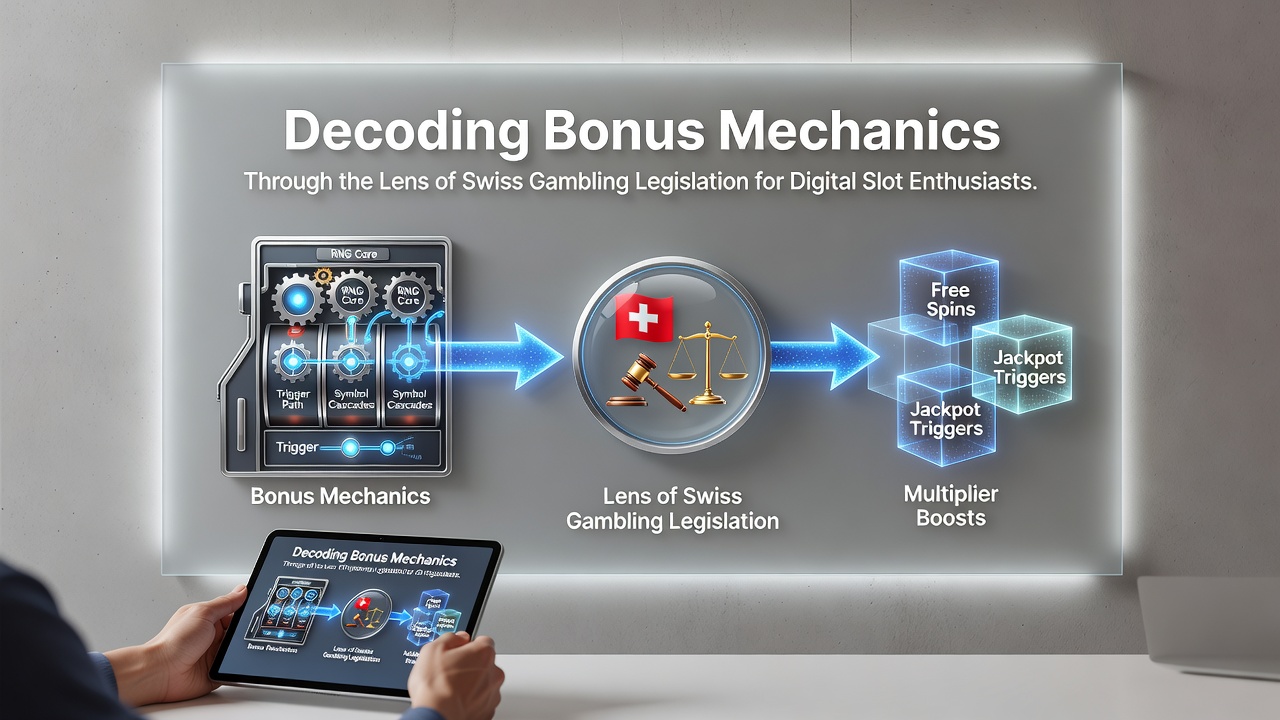
Decoding Bonus Mechanics Through the Lens of Swiss Gambling Legislation for Digital Slot Enthusiasts
Swiss gambling legislation establishes clear boundaries around bonus mechanics in digital slot environments, and operators must align promotional structures with federal requirements that emphasize transparency and player protection. The Federal Act on Games of Chance and Casinos, along with oversight from the Swiss Federal Gaming Board, dictates how welcome offers, free spins, and reload incentives reach users who engage with licensed platforms. Data from regulatory filings shows that these rules shape everything from wagering multipliers to expiration timelines, creating a framework where bonus terms undergo mandatory review before deployment.
Core Elements of Swiss Regulatory Oversight on Bonuses
Legislation requires operators to publish complete bonus conditions in accessible formats, and this includes explicit details on contribution percentages toward wagering targets along with game eligibility lists. Observers note that slot enthusiasts encounter standardized disclosures because Swiss authorities prohibit hidden clauses that could obscure real playthrough obligations. In practice, many platforms structure their digital slot promotions around these mandates, which means bonus amounts often tie directly to deposit sizes while caps prevent unlimited accumulation across multiple accounts.
Researchers have tracked how the 2019 revisions to national gambling statutes introduced stricter limits on promotional intensity, and those changes continue to influence current practices. Figures from licensed operators indicate that average wagering requirements for slot bonuses hover between 20x and 35x, depending on the specific product mix and player tier involved. Such parameters emerged from consultations with the Swiss Federal Gaming Board, which evaluates each license application for compliance with consumer safeguards.
Bonus Categories and Their Legal Boundaries
Digital slot platforms operating under Swiss jurisdiction typically offer deposit-match bonuses, no-deposit incentives, and cashback arrangements, yet each type faces distinct constraints. No-deposit bonuses, for instance, carry lower maximum win caps and shorter validity windows because regulators aim to limit exposure for new users. Studies conducted by European gaming research centers reveal that these restrictions reduce the frequency of bonus-related disputes reported to customer service teams.
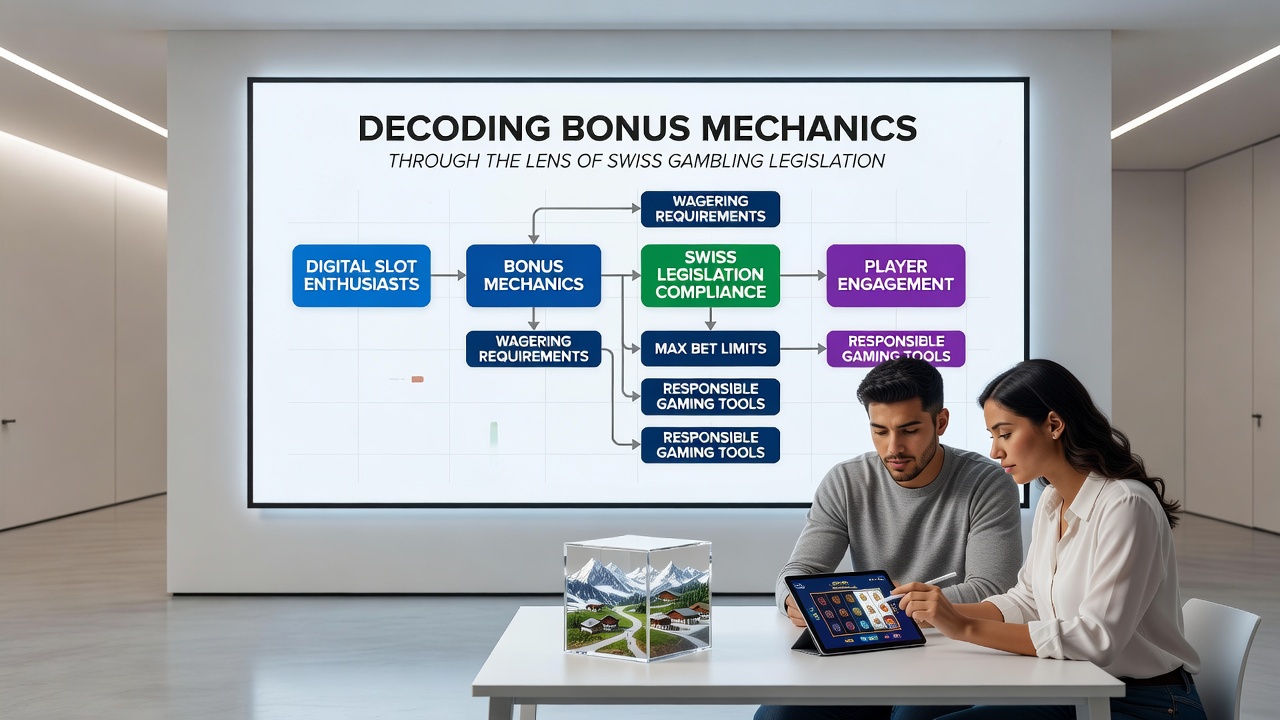
Free spin packages attached to slot titles must specify reel counts, bet values per spin, and whether winnings transfer to a cashable balance or remain bonus-restricted. According to guidelines issued by the Swiss Federal Gaming Board, operators cannot advertise spins without stating these parameters upfront, and this rule applies equally to email campaigns and in-game pop-ups. Players who review terms before activation often find that progressive jackpot contributions from bonus funds follow separate accounting rules that prevent cross-contamination with real-money play.
Implementation Patterns Observed in August 2026
Reports filed in August 2026 highlight how several licensed platforms adjusted their slot bonus algorithms to accommodate updated responsible gaming modules, and these adjustments include automatic detection of bonus abuse patterns such as multiple account creation. Data shared with regulatory bodies shows a measurable decline in bonus reversal requests following the rollout of enhanced verification protocols. Industry analyses further indicate that slot volatility ratings now appear alongside bonus descriptions on compliant sites, giving enthusiasts clearer expectations about potential outcomes when using promotional credits.
External audits conducted under Swiss law confirm that bonus mechanics undergo testing for fairness algorithms, and this process mirrors requirements applied to base game random number generators. Those who've examined compliance documentation note that third-party laboratories must certify both the underlying slot mathematics and any bonus multiplier effects before public release. Such layered verification reduces discrepancies between advertised and actual bonus performance across different devices.
Player Navigation of Compliant Bonus Systems
Enthusiasts who engage with Swiss-regulated digital slots benefit from standardized self-exclusion tools that extend to bonus participation, and these tools integrate directly with account management dashboards. Research indicates that clear labeling of bonus balances versus cash balances helps users track progress toward release thresholds without confusion. Operators maintain records of all bonus transactions for a minimum period mandated by federal statute, which supports dispute resolution when questions arise about qualifying bets or game contributions.
One case examined by compliance officers involved a slot title where bonus funds contributed only 50 percent toward wagering targets, and this detail appeared in the terms because Swiss rules demand explicit weighting disclosures. Players who cross-reference these percentages against their play history can calculate remaining requirements with precision. The framework also addresses currency conversion impacts on bonus values when users hold accounts in Swiss francs versus other denominations.
Conclusion
Swiss gambling legislation continues to define bonus mechanics for digital slot enthusiasts through mandatory transparency, audited fairness standards, and player protection measures that operators must implement uniformly. Regulatory updates tracked through August 2026 demonstrate ongoing refinement of these rules, particularly around verification and disclosure practices. Those who study the intersection of law and game design recognize that compliant bonus structures provide structured access to promotional value while maintaining clear boundaries established by federal authorities. External resources such as the Swiss Federal Gaming Board and reports from the National Council on Problem Gambling supply additional context for understanding how these regulations function in practice.